
Smart Cooking for Balanced Nutrition
Discover how intelligent meal planning and evidence-based cooking techniques transform your daily nutrition into a sustainable lifestyle.
Our editorial platform explores the science of balanced eating, practical recipes, and strategies that support your wellness goals through real food and smart preparation methods.

The information on this site is for educational purposes only and does not constitute medical advice. Always consult a qualified healthcare professional before making health decisions.
Key Features of Smart Cooking
Explore the core principles that make intelligent nutrition planning effective and sustainable for your lifestyle.
Nutrient-Dense Ingredient Selection
Learn to choose whole foods rich in vitamins, minerals, and phytochemicals. Our guides help you identify nutrient-dense options for every meal component, from proteins to vegetables, maximizing nutritional value in every dish.
Macronutrient Balance
Understand the role of protein, healthy fats, and complex carbohydrates in sustained energy. Our article collection explains how to structure meals for stable blood sugar, mental clarity, and consistent energy throughout your day.
Cooking Method Intelligence
Discover which cooking techniques preserve nutritional integrity. Explore steaming, roasting, slow cooking, and raw preparation methods to maintain nutrient bioavailability while creating delicious, satisfying meals.
Meal Timing and Frequency
Explore evidence-based approaches to when and how often you eat. Our editorial team examines different meal timing strategies and helps you discover patterns that support your energy levels, focus, and overall wellness.
Flavor and Satisfaction
Learn how to create satisfying meals without excessive salt, sugar, or ultra-processed additives. Smart cooking builds flavor through herbs, spices, and cooking techniques that make nutritious eating genuinely enjoyable.
Lifestyle Integration
Smart cooking fits real life. We explore meal prep strategies, pantry organization, and time-saving techniques that make balanced nutrition practical for busy schedules, families, and different living situations.
Smart Cooking vs. Conventional Eating
Understanding the key differences in approach and outcomes.
Smart Cooking Approach
- Intentional ingredient selection — choosing foods for nutritional density and whole-food quality
- Preservation of nutrients — cooking methods that maintain vitamin content and bioavailability
- Balanced meals — combining protein, healthy fats, and carbohydrates for satiation and stable energy
- Mindful preparation — understanding how cooking transforms food and impacts nutrition
- Long-term sustainability — building eating patterns you enjoy and can maintain
Conventional Eating Patterns
- Limited ingredient awareness — eating what's convenient without nutritional consideration
- Nutrient loss through preparation — overcooking or high-heat methods that reduce vitamin content
- Unbalanced meals — heavy carbohydrates with minimal protein or healthy fats
- Reliance on processed options — convenience foods high in additives and low in nutrients
- Energy crashes and dissatisfaction — leading to unsustainable eating patterns
Your Smart Cooking Journey in 4 Steps
A practical roadmap to implementing intelligent nutrition principles in your daily life.
Learn the Foundations
Start by understanding the basics of nutritional science — what nutrients your body needs, which foods provide them, and why balance matters. Our educational articles break down complex nutrition concepts into actionable knowledge.
Begin with topics like macronutrient ratios, micronutrient sources, and whole-food quality indicators.
Explore Smart Recipes
Browse our collection of thoughtfully designed recipes that demonstrate smart cooking principles in practice. Each recipe explains ingredient choices, nutritional benefits, and preparation methods that preserve nutritional value.
Experiment with recipes across different cuisines, cooking techniques, and meal types to find what you enjoy.
Develop Your Approach
Create a personalized framework for meal planning and preparation that fits your lifestyle, preferences, and schedule. Read about meal prep strategies, pantry organization, and time management techniques from our editorial team.
Focus on building habits that feel sustainable rather than restrictive or overwhelming.
Optimize and Evolve
Continue learning as you implement smart cooking into your routine. Explore advanced topics, discover new ingredients and techniques, and refine your approach based on what works best for your body and life circumstances.
Use our FAQ section and article archive to deepen your understanding and troubleshoot any challenges.
Meal Inspiration Gallery
Visual examples of balanced, nutrient-dense meals prepared with smart cooking principles.
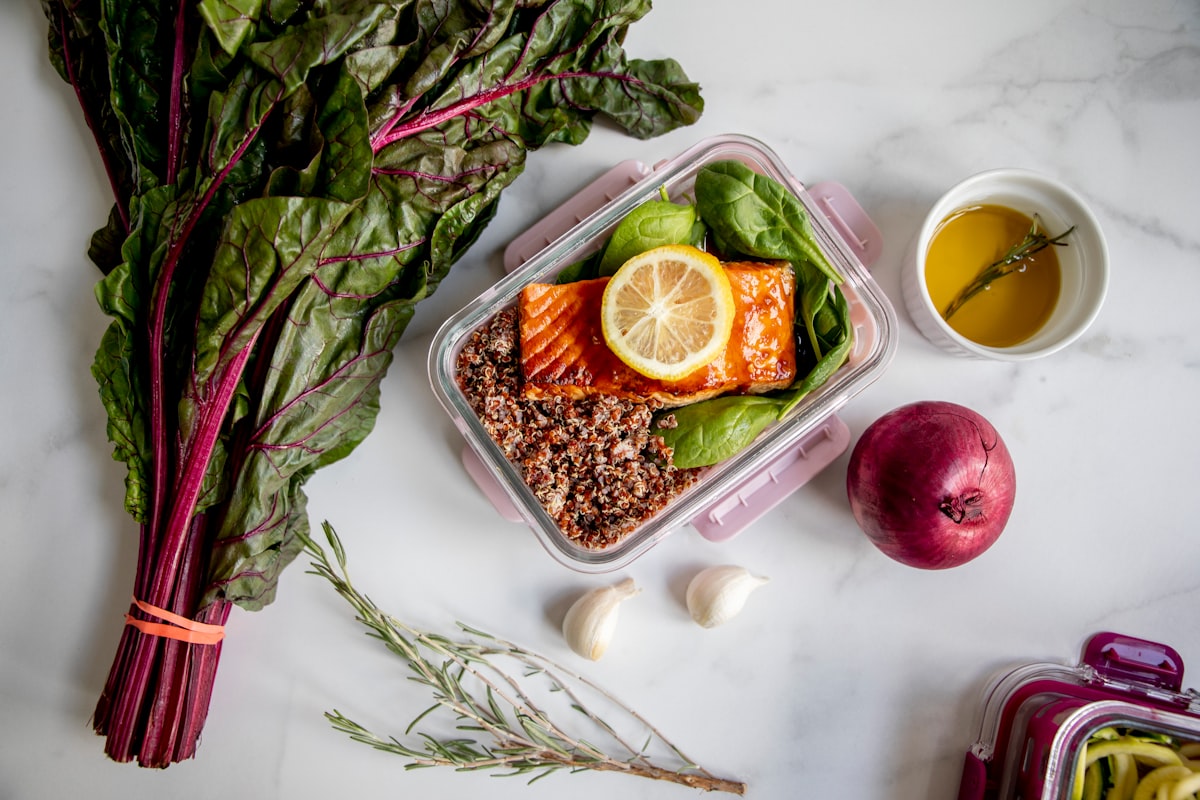
Protein-Rich Dinner Plate
Grilled salmon combined with roasted seasonal vegetables and complex carbohydrates. Demonstrates optimal macronutrient balance and nutrient-preserving cooking methods.
Nutrient-Dense Buddha Bowl
Plant-based meal combining leafy greens, legumes, raw vegetables, and healthy fats. Shows how to build satisfying, complete protein meals from whole food ingredients.
Quick Stir-Fry Preparation
High-heat cooking method that preserves crispness and nutrient content. Demonstrates how quick preparation times don't mean sacrificing nutritional quality or flavor.
Slow-Cooked Comfort Meal
Gentle cooking method that develops flavor while preserving nutrient density. Perfect for batch cooking and meal prep throughout the week.
Raw Nutrient Powerhouse
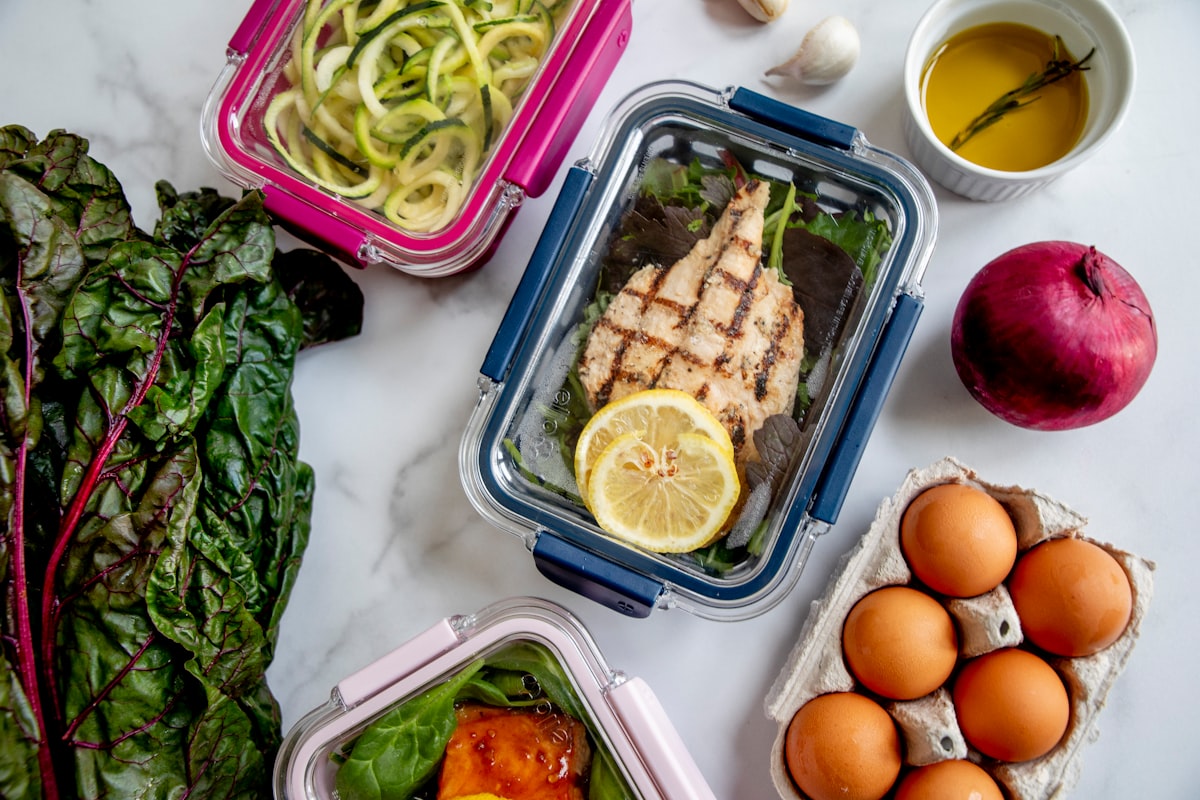
Uncooked meals that maximize certain nutrients while providing satisfying crunch and fresh flavors. Shows how to incorporate raw foods strategically in balanced eating.
Balanced Breakfast Foundation
Protein, healthy fats, and complex carbohydrates combined for sustained morning energy. Demonstrates how breakfast sets the tone for balanced eating throughout the day.
Real Stories from Our Readers
How people have integrated smart cooking into their daily lives.
"I was always confused about what balanced nutrition actually meant. The articles on Primal Nutritional Life broke everything down so clearly. Now I understand why certain cooking methods matter and how to build meals that actually keep me satisfied. It's completely changed how I approach the kitchen."
Sarah Mueller
Berlin, Germany
"As a busy parent, I needed realistic meal planning strategies, not complicated recipes. The practical guides about meal prep and pantry organization saved me so much time and stress. Our whole family is eating better now, and the kids actually enjoy the food."
Marco Hoffmann
Munich, Germany
"I love how the recipes explain not just the 'what' but the 'why' — why this cooking method, why these ingredients together. It's helped me become a more thoughtful cook and understand nutrition at a deeper level. I've started creating my own recipes based on these principles."
Anja Richter
Frankfurt, Germany
"After years of confusing diet advice, this platform finally offers clear, evidence-based information presented in a way that makes sense. The FAQ section answered questions I didn't even know I had. It's refreshing to find content focused on long-term, sustainable eating habits rather than quick fixes."
Thomas Bergmann
Cologne, Germany
Frequently Asked Questions
Common questions about smart cooking, nutrition, and implementing these principles in your life.
What exactly is smart cooking?
Smart cooking is an intentional approach to meal preparation that prioritizes nutritional value, ingredient quality, and preparation methods that preserve nutrients. It combines nutritional science with practical culinary skills to create meals that support balanced nutrition and long-term wellness.
Do I need special equipment or expensive ingredients?
No. Smart cooking works with standard kitchen equipment and whole food ingredients available at regular grocery stores. The focus is on understanding nutrition principles and choosing wisely, not on specialized tools or premium products. Many of our readers use basic equipment successfully.
How much time does meal preparation take?
Time varies based on what you prepare, but many smart-cooking meals take 20-45 minutes. Our articles include quick recipes and batch-cooking strategies for busy schedules. The key is working with simple, whole-food ingredients that don't require complicated preparation.
Can I adapt recipes for dietary preferences or restrictions?
Absolutely. Smart cooking principles work with any dietary approach — vegetarian, omnivorous, or anything in between. The core idea is understanding nutritional components so you can adapt recipes to your needs. Many of our articles include modification suggestions.
How do I know which ingredients are most nutritious?
Our education section explains how to evaluate ingredient quality — looking for whole foods with minimal processing, checking nutritional profiles, and understanding which foods provide specific micronutrients your body needs. We also have guides on reading nutrition labels and comparing products.
What Our Community Says
"Primalnutritionalife completely transformed how I think about food. The recipes are delicious, and I love that I understand what I'm actually eating now."
Sarah M.
Wellness Coach, California
"Finally, a resource that doesn't make nutrition feel complicated. The education articles paired with real recipes make everything click."
James T.
Fitness Enthusiast, Texas
"The meal plans are flexible and realistic. I've discovered so many new favorite recipes while actually improving my nutrition markers."
Emma R.
Nutritionist, New York
Ready to Transform Your Nutrition?
Join thousands of people who've discovered the power of primal nutrition. Explore our recipes, learn the science, and take control of your health today.